On the ground
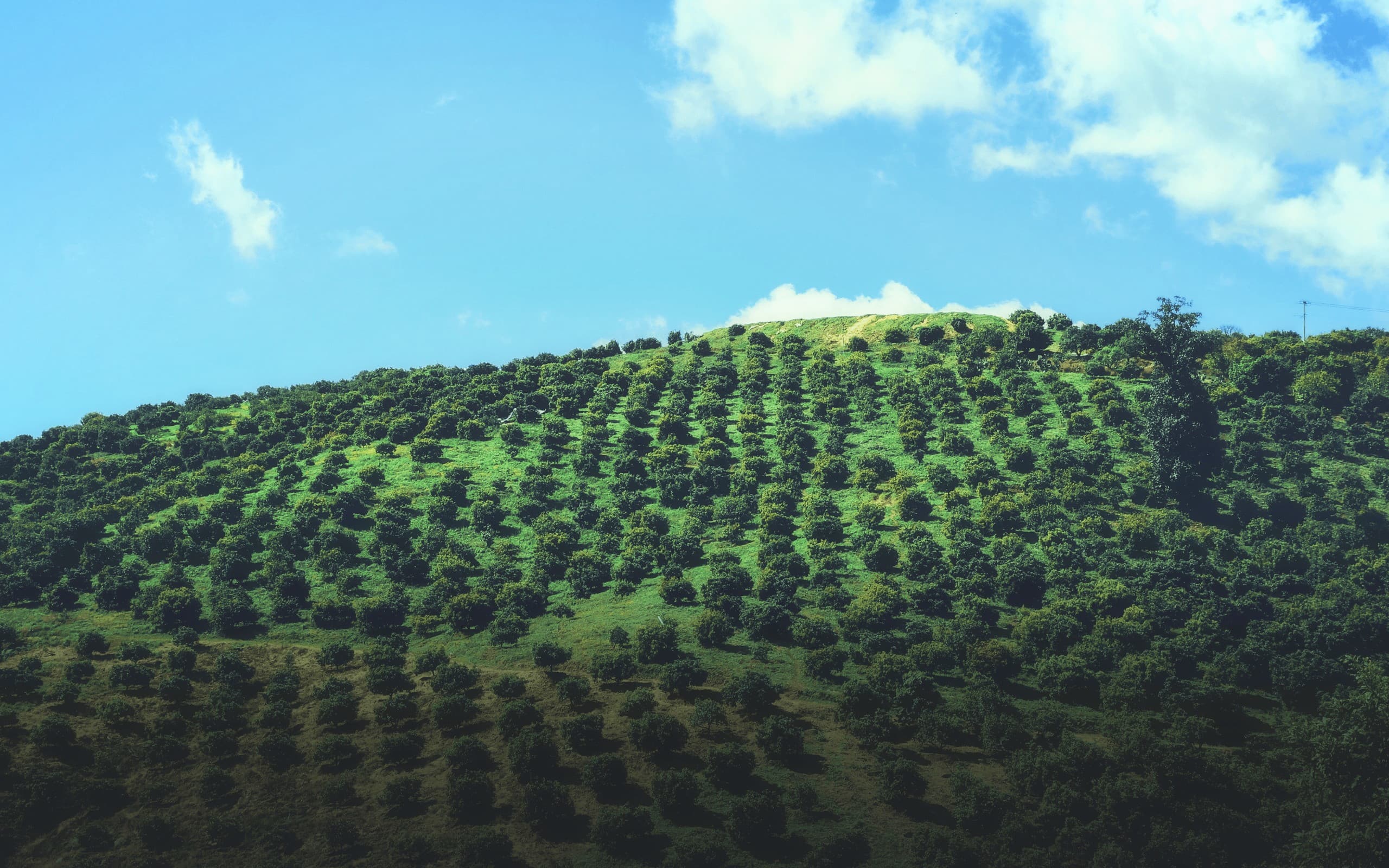
How the orchards are run
An avocado tree is a long commitment. You plant it and you live with that decision for decades, so how the land and the people around it are treated is the same question as whether the orchard lasts. The way AVO Oro Verde operates maps onto several of the UN Sustainable Development Goals. Here is what that means in practice.
Zero Hunger
Small and under-resourced farms are brought into a larger production system, which raises their yields. Fruit that does not meet export grade is distributed locally rather than thrown away, which cuts waste and puts food into the surrounding communities.
Good Health and Well-Being
Workers and their families are enrolled in state-run insurance. In remote areas where the nearest clinic is far, medical care and medicines are provided at no cost.
Decent Work and Economic Growth
Orchards create steady employment in regions where work is scarce, and they need skilled people: agronomists, engineers, and farmers. That demand keeps wages and knowledge in the area.
Industry, Innovation and Infrastructure
AVO Oro Verde works with a regional university on farming technique and planting technology, so what the orchards learn feeds back into how the next ones are planted.
Responsible Consumption and Production
Avocado is a thirsty crop, which is why irrigation efficiency matters here more than for most plants. Drip irrigation delivers water-use efficiency of roughly 80 to 95 percent, well above traditional flood irrigation, so most of the water reaches the tree instead of evaporating or draining off.
Climate Action
Avocado orchards are permanent tree crops, and trees store carbon in their biomass and in the soil over the decades they stand. Permanent cover also reduces soil erosion and helps the ground absorb water back into the aquifer.
Source on irrigation efficiency: drip and micro-irrigation guidance, Netafim and University of California.