Research
Avocado Orchard Investment: Why Investors Are Paying Attention
What draws investors to avocado orchards: steadily rising global demand, how a mature orchard earns, the years it takes to get there, and the risks to weigh first.
September 29, 2026 · 6 min read · AVO Oro Verde
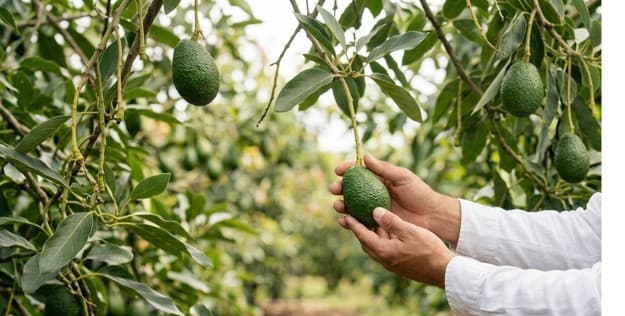
A decade ago, most institutional investors saw avocado orchards as a niche crop for a niche market. Today they look more like a case study in what a well-run real asset can do. Industry data suggests the global avocado market was worth roughly $18.5-20 billion in 2026 and could reach $27-35 billion by the early 2030s, growing at around 7-8 percent a year.
Steady growth over many years, rather than a single good season, is what first catches an investor's eye. Here is what is behind it, how orchards make money, and what to watch out for.
Demand Keeps Rising
The demand story is unusually simple. US per capita avocado availability has roughly tripled since 2000, reaching about 9.6 pounds per person in 2024/25. It is a lasting shift toward foods with healthy fats, not a fad that peaked and faded.
The US is only one market. Asia-Pacific consumption is expected to grow even faster as demand in China and Japan picks up, which gives producers more buyers to sell to.
How An Avocado Orchard Earns
Like other productive farmland, an orchard earns in two ways:
- Income from fruit sales once the trees are mature.
- The value of the land itself, including its soil, water access and location.
What sets avocados apart is the crop. The fruit sells at a premium and mature trees yield a lot, so revenue per acre is generally higher than for most row crops. Industry estimates for well-managed, mature orchards point to gross revenue of several thousand dollars per acre. That figure varies widely with variety, tree density, region and each year's prices.
How Long Does An Avocado Orchard Take To Become Profitable?
Avocados reward patience. Trees typically take several years to reach full production. During that time an orchard earns little or no income while still needing water, fertiliser and labour.
Private-market investors know this pattern as the J-curve: value is built first and realised later. Once mature, well-managed trees can stay productive for decades, so a single upfront investment can support a long stream of income. An investor who cannot wait through the early years should think twice.
Where Avocados Fit In A Portfolio
Avocados behave like most permanent crops. Compared with row crops such as corn or soy, they offer more potential return, but they also demand more skill to run. They grow well only in a narrow band of climates, so supply is geographically concentrated.
That concentration matters. Michoacán and Jalisco produce roughly 85 percent of Mexico's avocados and are the only states currently authorised to export to the US. Because so much depends on a few regions, the choice of orchard, location and operator matters more than it would with a widely spread crop.
The Risks To Understand First
Avocado orchards are not a low-volatility, set-and-forget investment. A serious investor should weigh:
- Price swings. Global supply moves prices. Mexican export volume fell 9 percent in 2024 before recovering the following year.
- Weather and disease, which can cut yields.
- Water availability, a real operating concern in the main growing regions.
- Local security conditions, which differ by area.
- Trade and export rules, which can change access to key markets.
- Currency movements, which affect returns for investors outside Mexico.
- Limited liquidity. Farmland cannot be sold quickly, so plan for a long holding period.
Frequently Asked Questions
Are avocado orchards a good investment?
They can suit patient investors who accept operational and geographic risk. Results depend on region, variety, management and market prices, and outcomes vary.
How long until an avocado orchard produces income?
Trees usually take several years to reach full production, so the early years often bring little or no income.
What are the main risks of avocado farmland?
Weather and disease, price swings, water supply, security, trade policy, currency and limited liquidity.
Where are most avocados grown?
Mexico leads global supply, with production concentrated in Michoacán and Jalisco.
How do avocados compare with other farmland?
They offer higher revenue potential than most row crops, in exchange for more complexity and more concentration risk.
The bottom line
Investors are drawn to avocado orchards for three reasons: demand that keeps growing, a productive asset with real income potential once mature, and exposure to something different from stocks and bonds. It is not a shortcut around the fundamentals of farming. Patience, operating skill and careful choice of region and partner still decide the outcome.
Disclaimer: This article is for general information only. It is not investment advice or an offer to sell securities. Agricultural investments carry risk, including loss of capital, and future results are uncertain.
Want to learn more? Speak to our team about avocado farmland investment.